


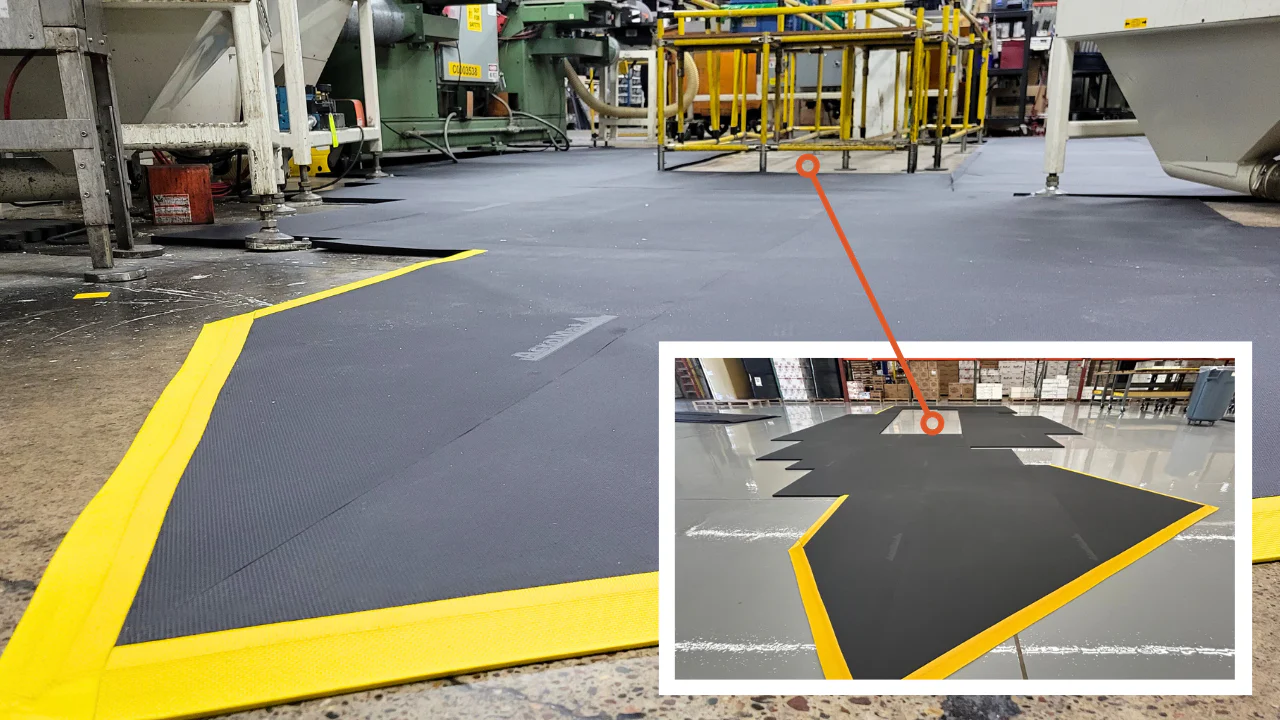
Protective mats are essential components in industrial, commercial, and residential environments. They function as a protective barrier for both underlying surfaces and users. In workplaces with heavy machinery or hazardous materials, protective mats reduce slip, trip, and fall incidents.
These mats absorb impact, enhance traction, and reduce fatigue-related strain for workers in standing positions. Beyond safety improvements, protective mats increase operational efficiency by creating a more secure and comfortable work environment. Protective mats also maintain cleanliness and hygiene standards.
In hospitals, laboratories, and food processing facilities, they contain spills and prevent contamination spread. Anti-static mats are particularly important in electronics manufacturing, where static discharge can damage sensitive components. Organizations using protective mats achieve regulatory compliance while improving operational integrity.
Quality protective mats such as office safety mats provide cost savings through accident reduction, decreased downtime, and extended flooring lifespan.
Types of Protective Mats
The market offers a diverse range of protective mats tailored to meet specific needs across various industries. One of the most common types is anti-fatigue mats, designed to alleviate discomfort for workers who stand for long periods. These mats are typically made from materials that provide cushioning and support, helping to reduce strain on the legs and lower back.
In environments like assembly lines or retail counters, anti-fatigue mats can significantly enhance worker productivity and comfort. Another prevalent type is anti-slip mats, which are crucial in areas prone to moisture or spills. These mats feature textured surfaces that provide enhanced grip, reducing the likelihood of slips and falls.
They are commonly used in kitchens, bathrooms, and industrial settings where liquids may be present. Additionally, there are specialized mats such as electrical safety mats that insulate against electrical hazards, making them essential in environments where electrical work is performed. Each type of mat serves a unique purpose, highlighting the importance of selecting the right mat for specific applications.
Choosing the Right Protective Mats
Selecting the appropriate protective mat requires careful consideration of several factors, including the environment in which it will be used, the specific hazards present, and the desired benefits. For instance, in a manufacturing facility where heavy machinery operates, durability and resistance to wear are paramount. In such cases, rubber or vinyl mats may be ideal due to their robust nature and ability to withstand heavy loads without deteriorating.
Moreover, one must consider the mat’s thickness and cushioning properties. Thicker mats often provide better shock absorption and comfort but may also be more expensive. It is essential to balance cost with functionality; investing in high-quality mats can lead to long-term savings by reducing injury-related costs and improving employee morale.
Additionally, factors such as ease of cleaning and maintenance should not be overlooked. Mats that are easy to clean will save time and resources in the long run, making them a practical choice for busy environments.
Proper Installation Techniques
The effectiveness of protective mats is heavily influenced by proper installation techniques. Regardless of the type of mat being used, ensuring that it lies flat without any wrinkles or bubbles is crucial for safety. Mats that are not installed correctly can become tripping hazards themselves.
For instance, when installing anti-slip mats in a kitchen setting, it is vital to ensure that they adhere securely to the floor to prevent movement during use. In some cases, adhesive backing may be necessary to keep the mat in place. This is particularly true for larger mats or those placed in high-traffic areas.
When using adhesive-backed mats, it is essential to clean the floor thoroughly before installation to ensure maximum adhesion. Additionally, for modular mat systems that interlock, following the manufacturer’s guidelines for alignment and connection is critical to maintaining stability and functionality.
Ensuring Stability and Durability
To ensure that protective mats remain stable and durable over time, several factors must be taken into account during both selection and installation. The material composition plays a significant role; for example, rubber mats are known for their resilience and ability to withstand heavy impacts without losing their shape or effectiveness. In contrast, foam mats may provide comfort but may not hold up as well under extreme conditions or heavy loads.
Furthermore, environmental factors such as temperature fluctuations and exposure to chemicals can affect a mat’s longevity. For instance, mats used in outdoor settings must be UV-resistant to prevent degradation from sunlight exposure. Regularly assessing the condition of protective mats is also essential; any signs of wear or damage should be addressed immediately to prevent accidents or further deterioration.
By prioritizing stability and durability during both selection and maintenance phases, organizations can ensure that their protective mats serve their intended purpose effectively over time.
Maintenance and Inspection
Regular maintenance and inspection of protective mats are vital components of ensuring their longevity and effectiveness. Depending on the type of mat and its usage environment, cleaning protocols may vary significantly. For instance, anti-fatigue mats used in food service areas must be cleaned frequently to prevent contamination, while industrial mats may require less frequent but more thorough cleaning due to exposure to oils or chemicals.
Inspection routines should include checking for signs of wear such as cracks, tears, or loss of grip. Any damaged areas should be repaired or replaced promptly to maintain safety standards. Additionally, it is advisable to rotate or reposition mats periodically to ensure even wear across their surfaces.
This practice not only extends the life of the mat but also helps maintain consistent performance in terms of traction and comfort.
Safety Precautions
When implementing protective mats in any environment, adhering to safety precautions is paramount. First and foremost, it is essential to select mats that meet relevant safety standards for the specific industry or application. For example, in environments where electrical hazards are present, using mats specifically designed for electrical insulation is crucial to prevent accidents.
Moreover, training employees on the proper use and maintenance of protective mats can significantly enhance safety outcomes. Workers should be educated about the importance of keeping mats clean and free from obstructions that could lead to slips or falls. Additionally, signage indicating wet floors or other hazards should accompany mat placement in high-risk areas to further mitigate risks.
Benefits of Protective Mats
The benefits of protective mats extend from Bassendean WA to Brisbane QLD and everywhere in between. Far beyond mere safety enhancements; they contribute positively to overall workplace efficiency and employee well-being. One significant advantage is the reduction in workplace injuries related to slips and falls. By providing a stable surface with adequate grip and cushioning, protective mats can help minimize accidents that lead to lost workdays and increased insurance costs.
Furthermore, protective mats can enhance employee comfort and productivity. Anti-fatigue mats have been shown to reduce discomfort associated with prolonged standing, leading to improved focus and efficiency among workers. In environments where cleanliness is paramount, such as healthcare facilities or food processing plants, protective mats help maintain hygiene standards by containing spills and preventing contamination spread.
In summary, protective mats are an essential investment for any environment where safety, comfort, and cleanliness are priorities. By understanding their importance, types available, proper installation techniques, maintenance requirements, safety precautions, and overall benefits, organizations can create safer workplaces that promote employee well-being while also protecting their physical assets.