


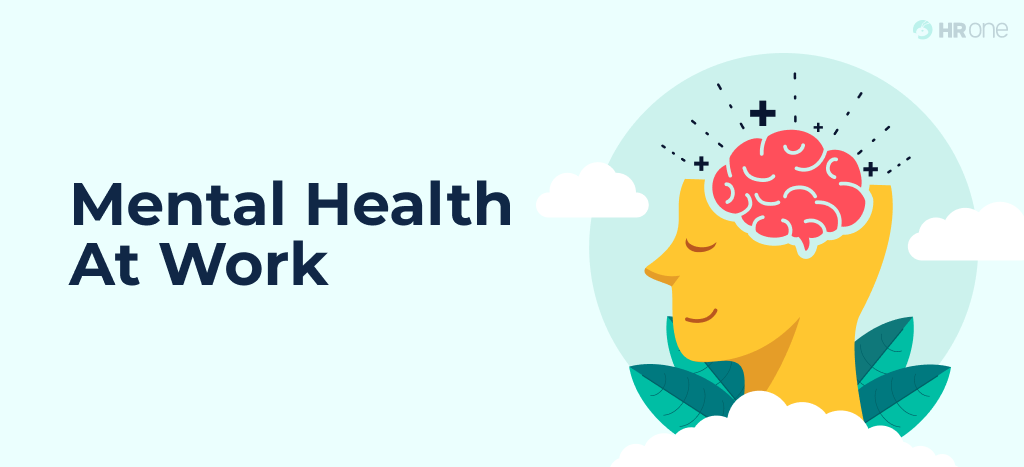
Mental health within the workplace has garnered increasing attention in recent years. Historically viewed as a personal matter, contemporary understanding acknowledges its significant impact on employee well-being, productivity, and organizational success. This article explores strategies and considerations for prioritizing mental health in professional environments.
The conversation surrounding mental health in the workplace has shifted from one of stigma and silence to a recognition of its critical importance. This evolution is driven by several factors, including increased awareness of mental health conditions, a greater understanding of the interconnectedness of physical and mental well-being, having workplace psychology services and empirical evidence demonstrating the financial and human costs of neglecting employee mental health.
Historical Context and Shifting Perceptions
Historically, mental health issues were often stigmatized, leading individuals to conceal their struggles out of fear of discrimination or professional repercussions. Workplaces rarely provided resources or support, operating under the assumption that an employee’s mental state was irrelevant to their job performance unless it manifested as a severe and undeniable impairment. The rise of advocacy groups, public health campaigns, and academic research has progressively eroded this stigma, fostering environments where mental health discussions are becoming more commonplace and accepted.
The Impact of Modern Work Culture
Modern work culture frequently presents challenges to mental well-being. Increased demands for productivity, longer working hours, the blurring of work-life boundaries due to technology, and a competitive professional landscape can contribute to stress, burnout, anxiety, and depression. The COVID-19 pandemic further exacerbated these issues, introducing new stressors related to remote work, economic uncertainty, and health anxieties. These factors necessitate a proactive approach to mental health support rather than a reactive one.
Establishing a Supportive Work Environment
Creating a supportive work environment is fundamental to prioritizing mental health. This involves fostering a culture of openness, empathy, and psychological safety, alongside implementing practical policies and resources.
Fostering a Culture of Openness and Empathy
A culture where employees feel comfortable discussing mental health concerns without fear of judgment is paramount. Leaders and managers play a pivotal role in setting this tone. This involves:
- Leading by example: When leaders openly discuss mental health or share their own experiences (appropriately), it signals to employees that such conversations are acceptable and encouraged. This act of vulnerability can be a powerful catalyst for cultural change.
- Active listening: Providing opportunities for employees to voice their concerns and actively listening to their feedback helps identify areas needing improvement and demonstrates that their well-being is valued. This is not about providing solutions to every problem but about creating space for expression.
- Regular check-ins: Beyond performance reviews, managers should conduct regular, informal check-ins with team members to gauge their overall well-being. These conversations should be framed as supportive, not supervisory.
Ensuring Psychological Safety
Psychological safety refers to a climate where individuals feel safe to take interpersonal risks, such as speaking up with ideas, asking questions, or admitting mistakes, without fear of negative consequences. In the context of mental health, this means employees feel secure in disclosing mental health struggles or seeking support without fear of professional detriment.
- Non-retaliation policies: Clearly communicated policies that protect employees who disclose mental health concerns or seek accommodations are essential. These policies act as a safeguard against discrimination.
- Confidentiality: Assurances of confidentiality are critical when employees share sensitive personal information. Trust in the system is built on the unwavering protection of private health data.
- Constructive feedback: Feedback mechanisms should be designed to be constructive, focusing on growth and improvement rather than punitive judgments, which can contribute to stress and anxiety.
Implementing Practical Support Systems
Beyond cultural shifts, concrete support systems are necessary to provide tangible resources for employees. These systems act as a safety net, catching individuals before they fall into deeper distress.
Employee Assistance Programs (EAPs)
EAPs are confidential, short-term counseling services offered to employees for various personal and work-related issues, including mental health concerns.
- Accessibility: Ensure EAPs are easily accessible, well-communicated, and available 24/7. Lack of awareness or difficulty in accessing services renders them ineffective.
- Scope of services: EAPs should offer a broad range of services, including mental health counseling, financial advice, legal consultation, and work-life balance resources. A holistic approach addresses the multiple facets of employee well-being.
- Third-party providers: Using independent, third-party EAP providers enhances perceived confidentiality and encourages utilization compared to in-house services.
Mental Health Training and Education
Educating employees and managers on mental health can reduce stigma, increase awareness, and equip individuals with the skills to support themselves and others.
- Mental health first aid: Training employees to recognize the signs of mental health distress and how to offer initial support, similar to physical first aid, can be invaluable. This empowers individuals to act as first responders within the workplace.
- Stress management workshops: Providing workshops on stress reduction techniques, mastering mindfulness, time management, and resilience building can equip employees with practical tools to navigate workplace pressures.
- Manager training: Managers should receive specific training on how to identify potential mental health issues, approach sensitive conversations, signpost employees to support services, and implement reasonable accommodations. They are often the first line of contact but require the right skills to respond effectively and empathetically.
Flexible Work Arrangements and Work-Life Balance
Supporting work-life balance is a direct contributor to mental well-being. Flexibility can act as a crucial buffer against burnout.
- Flexible hours: Allowing employees some control over their work schedule can significantly reduce stress, enabling them to attend appointments, manage family responsibilities, or simply structure their day in a way that optimizes their personal energy levels.
- Remote work options: Where feasible, offering remote or hybrid work models can reduce commuting stress, provide a quieter work environment, and offer greater autonomy. However, this also necessitates clear guidelines to prevent social isolation and overwork.
- Paid time off: Encouraging and facilitating the use of adequate vacation time, sick leave, and personal days is critical. Employees need time to rest, recharge, and address personal needs without financial penalty or fear of falling behind.
Addressing Specific Challenges and Considerations
Prioritizing mental health in the workplace also involves addressing specific challenges and tailoring interventions to diverse employee needs.
Burnout Prevention
Burnout, characterized by emotional exhaustion, depersonalization, and reduced personal accomplishment, is a significant threat to employee mental health.
- Workload management: Regularly reviewing and adjusting workloads is crucial. Overburdening employees is a direct pathway to burnout. Tools for tracking project progress and resource allocation can help.
- Realistic expectations: Leaders should set realistic expectations regarding productivity and availability, avoiding the promotion of “always-on” culture. This includes respecting non-working hours.
- Time for recovery: Encouraging breaks during the workday, promoting full utilization of vacation time, and designing roles with sufficient downtime are essential for mental recovery.
Supporting Neurodiversity
Neurodiverse individuals (e.g., those with ADHD, autism spectrum disorder, dyslexia) may experience the workplace differently and require specific considerations for their mental well-being.
- Inclusive practices: Designing inclusive recruitment processes, onboarding, and general workplace practices that are sensitive to neurodivergent needs can reduce anxiety and enhance belonging. This might involve clear, direct communication, written instructions, and structured environments.
- Reasonable accommodations: Providing reasonable accommodations, such as noise-canceling headphones, flexible scheduling, designated quiet spaces, or adjusted meeting formats, can significantly improve the mental comfort and productivity of neurodiverse employees.
- Training and awareness: Educating the broader workforce about neurodiversity can foster understanding, reduce unintentional microaggressions, and build a more accepting environment.
Managing Workplace Stressors
Beyond general work demands, specific workplace stressors can significantly impact mental health.
- Conflict resolution: Implementing clear and fair processes for conflict resolution is vital. Unresolved interpersonal conflicts can be a potent source of stress and anxiety. Training in conflict de-escalation for managers is beneficial.
- Job insecurity: High levels of job insecurity can be highly detrimental to mental health. Transparent communication, even during challenging times, can mitigate some of this stress.
- Harassment and discrimination: A zero-tolerance policy for harassment and discrimination, coupled with accessible and trusted channels for reporting, is non-negotiable. These experiences are highly traumatic and directly undermine mental health.
Measuring Impact and Continuous Improvement
Prioritizing mental health is not a static endeavor but an ongoing process that requires measurement, evaluation, and adaptation. Like a ship navigating changing currents, an organization must continuously adjust its course.
Data Collection and Analysis
To assess the effectiveness of mental health initiatives, organizations need to collect and analyze relevant data.
- Employee surveys: Regular, anonymous surveys can gauge employee perceptions of mental health support, identify prevalent stressors, and measure overall well-being. These surveys should be designed to extract actionable insights.
- Utilization rates: Tracking the utilization rates of EAPs, mental health training, and flexible work options provides an indication of engagement and demand. Low uptake might signal a need for improved communication or program design.
- Absenteeism and presenteeism: Monitoring trends in absenteeism (days missed due to illness) and presenteeism (working while ill or unproductive due to mental distress) can offer indirect indicators of mental health challenges within the workforce. While not direct measures, significant shifts can trigger further investigation.
- Retention rates: High employee turnover, particularly sensitive to reasons for departure, can sometimes be linked to inadequate mental health support.
Feedback Mechanisms and Adaptation
Organizations must establish clear mechanisms for employees to provide feedback on mental health initiatives and be prepared to adapt their strategies based on this input.
- Dedicated channels: Create clear and confidential channels for feedback, such as suggestion boxes, anonymous feedback platforms, or designated mental health champions who can gather input.
- Review and revise: Regularly review the effectiveness of current programs and policies. What worked last year may not be effective today as workplace dynamics and employee needs evolve.
- Benchmarking: Compare organizational practices against industry best practices and external benchmarks to identify areas for improvement and innovation. Learning from others’ successes and failures can accelerate progress.
Prioritizing mental health in the workplace is not merely a philanthropic gesture; it is a strategic imperative. It builds a more resilient, engaged, and productive workforce, fostering an environment where individuals can thrive.
Do Read: Gloss, Matte, or Soft-Touch: Choosing the Right Finish for Your Business Cards